Table of contents
The rise of free AI platforms is transforming the digital landscape, making creative tools and resources accessible to a wider audience than ever before. As these technologies continue to evolve, they are not only lowering barriers but also redefining how individuals and communities approach online creativity. Dive into the following sections to uncover the profound impact these platforms have on the way creative content is developed, shared, and experienced in the digital age.
Democratizing creative tools
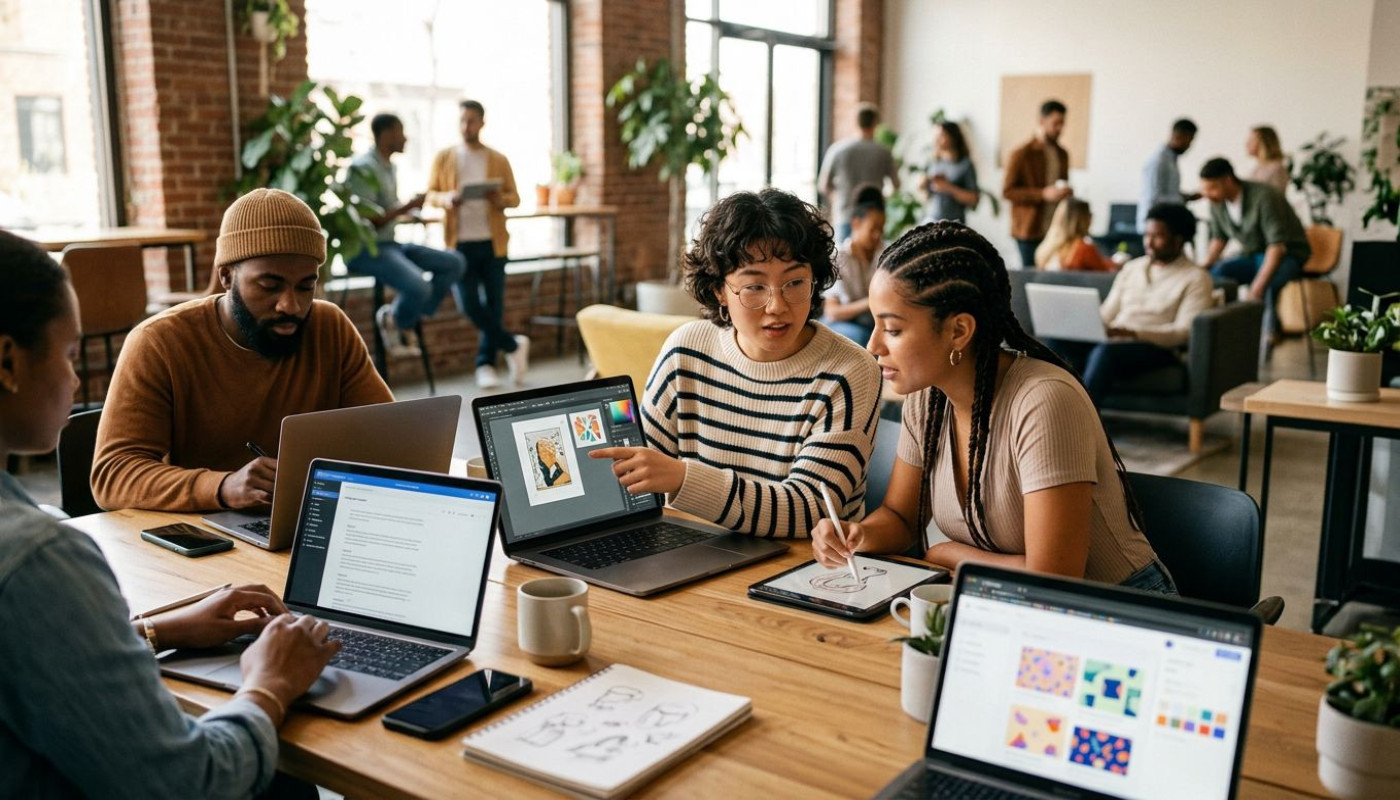
Free AI tools have revolutionized creative accessibility by breaking down barriers that once restricted online creation to those with specialized training or substantial budgets. Advanced algorithms and user-friendly interfaces are now available to anyone with an internet connection, ensuring algorithmic accessibility for all users, whether exploring digital art or producing multimedia projects. This widespread AI democratization means that amateurs can experiment freely with complex techniques, while professionals benefit from rapid prototyping and enhanced workflows. The result is a vibrant ecosystem where innovation flourishes, driven by the collective creativity of a diverse global community. Platforms like link further exemplify this trend, offering extensive resources that empower individuals and organizations alike.
Fueling new forms of expression
AI technologies are propelling creative innovation by providing tools that allow artists and content creators to explore unprecedented territories in digital expression. Through the integration of generative algorithms, which are computational procedures designed to autonomously produce data such as images, music, or text, creators can experiment with AI-generated content to develop unique styles and narratives. These algorithms enable the blending of various media and disciplines, resulting in hybrid art forms that merge visual, auditory, and interactive elements in ways previously unattainable. The Director of an internationally renowned digital arts institution is tasked with fostering environments where these advancements can flourish, ensuring that artists are equipped to harness AI’s capabilities responsibly and imaginatively.
Online creativity now thrives on platforms that make sophisticated AI tools accessible, encouraging collaboration and the spontaneous emergence of new genres. For instance, generative algorithms can analyze immense datasets to inspire visual artists or writers with new motifs, while musicians employ AI to generate novel sounds and compositions. This democratization of technology not only diversifies the kinds of digital expression available but also encourages dialogue between traditional art forms and cutting-edge innovation. By supporting these developments, leadership within digital arts institutions catalyzes an ecosystem where creative innovation continually redefines the possibilities of hybrid art and AI-generated content.
Collaborative creativity at scale
Free AI platforms have transformed collaborative creation by enabling seamless online collaboration among artists, designers, and innovators worldwide. By leveraging distributed intelligence, these creative platforms unite individuals from a range of disciplines and backgrounds, allowing for real-time sharing of ideas and resources. AI teamwork is no longer confined to a single organization or geography; instead, it fosters a dynamic global community where knowledge, skills, and inspiration are exchanged openly. Within this interconnected environment, crowd-sourced projects thrive, as contributors tap into the collective expertise and creativity of thousands, amplifying both the pace and quality of creative output. AI-driven tools thus serve as catalysts for distributed intelligence, helping to break down barriers and democratize access to innovation on an unprecedented scale.
Rethinking originality and authorship
AI authorship is transforming the landscape of digital originality, prompting users to reconsider what it means to be an author in a world where algorithms contribute significantly to the creative process. The concept of algorithmic authorship—wherein the creators of AI models, users, and even the AI itself may share varying degrees of responsibility for the final output—raises complex questions about who holds creative credit and moral accountability. As AI-generated art proliferates across online platforms, the boundaries between human and machine-made works blur, complicating the attribution of creative effort. Digital law experts observe that these developments introduce persistent copyright issues and creative ethics dilemmas, especially when AI models are trained on vast datasets containing pre-existing works, sometimes without the consent or acknowledgement of original creators.
Online creators leveraging free AI platforms frequently encounter uncertainties regarding ownership and attribution. For instance, if an AI tool produces a digital painting, does the user who prompted it retain full authorship, or does the credit partially extend to the developers and data sources behind the model? This question is intensified by the global reach of AI-generated content, as differing national copyright frameworks often lack consensus on AI-generated art. As a result, disputes over intellectual property rights can arise, particularly when commercial interests or reputational stakes are involved. Ethical considerations also surface: should creators be transparent about their use of AI, and what responsibilities do they bear to credit source material embedded within AI training data?
Professors specializing in digital law and ethics at leading universities urge the development of new legal definitions and guidelines to address these emerging realities. They emphasize that recognizing algorithmic authorship is fundamental for equitable creative ecosystems, advocating for transparent documentation of AI involvement and fair attribution practices. In the rapidly evolving domain of AI-generated art, ongoing dialogue among creators, legal experts, and platform administrators will shape standards for digital originality and ethical responsibility, ensuring that the transformative potential of AI authorship benefits both individual artists and the wider creative community.
Shaping future creative economies
Free AI platforms are fundamentally transforming the creative economy by unlocking unprecedented AI opportunities for individuals and businesses alike. The proliferation of these technologies drives the rise of platform-driven economies, where creators leverage advanced tools to produce, distribute, and market content at large scale. This democratization of creative capabilities has led to new models of digital monetization, enabling artists, designers, and content producers to reach global audiences and experiment with subscription models, microtransactions, and targeted advertising. The economic impact of AI is seen in how traditional creative roles are evolving, with many professionals adapting to hybrid positions that blend human ingenuity with algorithmic assistance. As a result, the market dynamics are shifting, favoring nimble creators who can capitalize on emerging platforms and data-driven insights.
Moreover, online creative careers are expanding rapidly, fueled by the accessibility and scalability of free AI platforms. Individuals who might not have previously considered entering creative fields now find viable pathways through AI-enhanced design, writing, music production, and visual arts. Audience engagement is also being reshaped, as interactive and personalized content becomes the norm, fostering deeper connections between creators and consumers. This shift not only diversifies the creative economy but also prompts established industries to adapt their models and strategies. In sum, the chief economist of a world-leading creative industry research body highlights that platform-driven economies are setting new standards for innovation, flexibility, and economic participation in the digital age.
On the same subject
Streamlining Your Business Operations Through Efficient Kubernetes Cluster Upgrades

Exploring The Limitless Possibilities Of AI-driven Fantasy Image Creation

How Modern Anti-Ransomware Services Restore Data For Businesses

Emerging Trends In Cybersecurity And Their Impact On Global Business

The Future Of Visual Arts: Predicting The Impact Of AI On Professional And Amateur Photography

Exploring The Evolution Of Open Source Patch Management Tools

Exploring The Ethical Use Of AI In Image Editing And Manipulation

How the Delay of GPT-5 Affects the Landscape of AI Technology

Enhancing Customer Engagement with Advanced Software Solutions

How to Seamlessly Incorporate AI Chatbots into Your Online Customer Service

Effective DDoS Protection Strategies for Your Online Platform

Cloud Computing: A Paradigm Shift in Data Management

Machine Learning: The Driving Force of Modern Businesses

Neural Networks and their Role in Predictive Analysis

The AI Takeover: Jobs of the Future
